What does a shark and a bull have in common?
Written by Alex Shkurka | June 29, 2026
The title of this blog post might sound like the start of a joke, however, the recent decision by the UKIPO to block the registration of “GymBull” on grounds of bad faith has very interesting implications.
The opposing party in question is Gymshark, a multinational sports apparel retailer founded in 2012 by Ben Francis and Lewis Morgan. The brand has now grown globally and exceeded over £640 million in revenue in 2025 alone. In contrast, the applicant of the “GymBull” mark was an Emirati businessman who filed to register the mark depicted below on 23 August 2024.
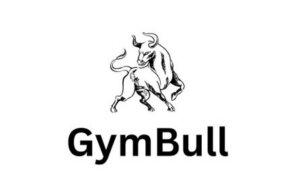
One might consider whether RedBull would also have an issue with this mark. However, Gymshark were the ones to oppose the mark under s.3(5) of the Trade Marks Act 1994 on grounds of bad faith. The key question was whether the application was dishonest and intended to exploit Gymshark’s reputation.
After assessing the application, as well as the wider conduct of the applicant, the UKIPO determined that the application was filed in bad faith. Evidence emerged that the applicant had previously attempted to register “The South Face”, “Upper Armour” and “Tommy” – clear parodies of large known brands. In the context of a single application, it may be difficult to determine if it was made in bad faith, however, in this case there was a demonstrative pattern of such behaviour.
This particular opposition showcases two interesting points:
- Large brands have a wide range of tools to fight trade mark applications that are not just identical or confusingly similar but that are also trying to mimic or register a parody in bad faith. Of course, there needs to be a fine line between allowing parodies and identifying those that are created in bad faith.
- The UKIPO is willing to look beyond the individual trade mark application. They will consider the applicant’s prior behaviour and motive.
If you are a large brand owner, then you should continue to monitor third-party filings that mimic your brand, even if upon first examination they are not identical or similar. On the other hand, as a small business or entrepreneur, you should pay close attention to your name and branding, even if you create a brand name that appears to be a parody in good faith, that does not guarantee that a large brand and prior mark owner would not be willing to take action. The key in this situation is intent – and intent can be inferred from a pattern of previous filings. This stresses the importance of obtaining expert legal advice and conducting clearance searches before starting or growing a brand.
Whether you suspect someone else is registering a parody trade mark in bad faith, or you are worried you may be accused of the same, please feel free to get in touch. Our IP experts are here to help!